
Niubalus Drone
At Niubalus Logistics Limited, we pride ourselves on delivering critical medical supplies to underserved and remote areas in Papua New Guinea. Utilizing cutting-edge drone technology, we ensure efficient and timely deliveries that overcome the country’s rugged terrain and challenging transportation infrastructure. A key element to our success is how we pilot our drones. In this article, we will walk you through the process and technology behind our drone piloting system, emphasizing the expertise, precision, and safety measures involved.
Advanced Drone Technology
Our fleet of medical drones is equipped with the latest advancements in drone technology, allowing for high levels of control and accuracy. These drones are designed specifically for long-range flights, capable of carrying essential medical supplies like vaccines, medications, and diagnostic tools. Each drone is built with lightweight materials for energy efficiency and features advanced GPS and navigation systems that make them ideal for operating in remote and difficult-to-reach areas.
How We Control Our Drones
Niubalus Logistics uses a combination of manual control and automated systems to pilot our drones. The process involves a highly skilled team of trained operators and advanced flight software to ensure each delivery is smooth and precise.
- Flight Planning: Before a drone takes off, our team of operators carefully plans the flight path. Using advanced GPS technology, we map out the route, taking into consideration any potential obstacles like mountains, forests, or adverse weather conditions. The routes are optimized to ensure the fastest and safest delivery.
- Remote Piloting: Our drones are piloted remotely by trained specialists who monitor every aspect of the flight in real-time. The control systems allow operators to adjust the drone’s altitude, speed, and trajectory as necessary. If unexpected situations arise, such as a sudden change in weather or an obstacle in the drone’s path, operators can intervene immediately to ensure the safe completion of the mission.
- Automated Flight Systems: While remote pilots maintain control, much of the flight is automated. Our drones can follow pre-programmed routes based on GPS coordinates, allowing for precise navigation even in complex environments. The combination of automation and human oversight ensures both efficiency and safety during each delivery.
Real-Time Monitoring and Adjustments
Throughout the flight, our drones transmit real-time data back to our control center. This data includes information on the drone’s location, altitude, speed, and battery life. Our operators continuously monitor this data and can make real-time adjustments if necessary. For example, if a drone is approaching a no-fly zone or an area with poor weather, operators can reroute the drone on the spot.
In addition, our drones are equipped with fail-safe mechanisms. If a technical issue arises or the battery is running low, the drone is programmed to safely return to its base or land in a designated safe area. These measures ensure that we maintain the highest standards of safety during every delivery mission.
Weather Adaptability
Weather conditions in Papua New Guinea can be unpredictable, with heavy rain, strong winds, and fog presenting challenges for aerial navigation. To mitigate these risks, our drones are designed with weather-resistant features and can operate in varying conditions. Our team of pilots constantly monitors the weather along the planned route and has the authority to delay or reroute flights if conditions become too dangerous. In the event of unexpected weather changes mid-flight, our pilots have the flexibility to adjust the route or instruct the drone to land safely until conditions improve.
Safety Protocols and Compliance
Safety is a top priority at Niubalus Logistics. All our pilots undergo rigorous training to ensure they are fully qualified to operate our drone systems. We strictly adhere to aviation regulations set by the Civil Aviation Safety Authority (CASA) of Papua New Guinea, ensuring that our drone operations are compliant with national and international standards. Each flight is conducted within approved airspace, and our team works closely with local authorities to ensure that we avoid any disruptions to commercial or military air traffic.
Additionally, our drones undergo regular maintenance checks to ensure they are in optimal working condition. Before each flight, our technical team inspects the drones for any potential issues, including battery life, propeller function, and navigation system performance.
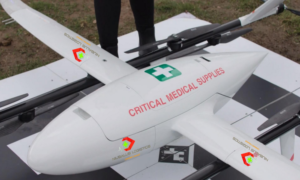
At Niubalus Logistics Limited, we are committed to using the most advanced drone technology to provide life-saving medical supplies to those who need them most. Our highly skilled team of remote pilots, coupled with automated flight systems and real-time monitoring, allows us to operate with precision and safety. We continuously adapt our processes to improve efficiency, ensuring that we can deliver critical supplies quickly and reliably, no matter the terrain or weather conditions.
By harnessing the power of drone technology, we are breaking down geographical barriers and bringing essential healthcare to underserved communities in Papua New Guinea. This is how we pilot our drones — with expertise, precision, and a commitment to improving lives.